
Auto Insurance Claims Process: A Step-by-Step Guide

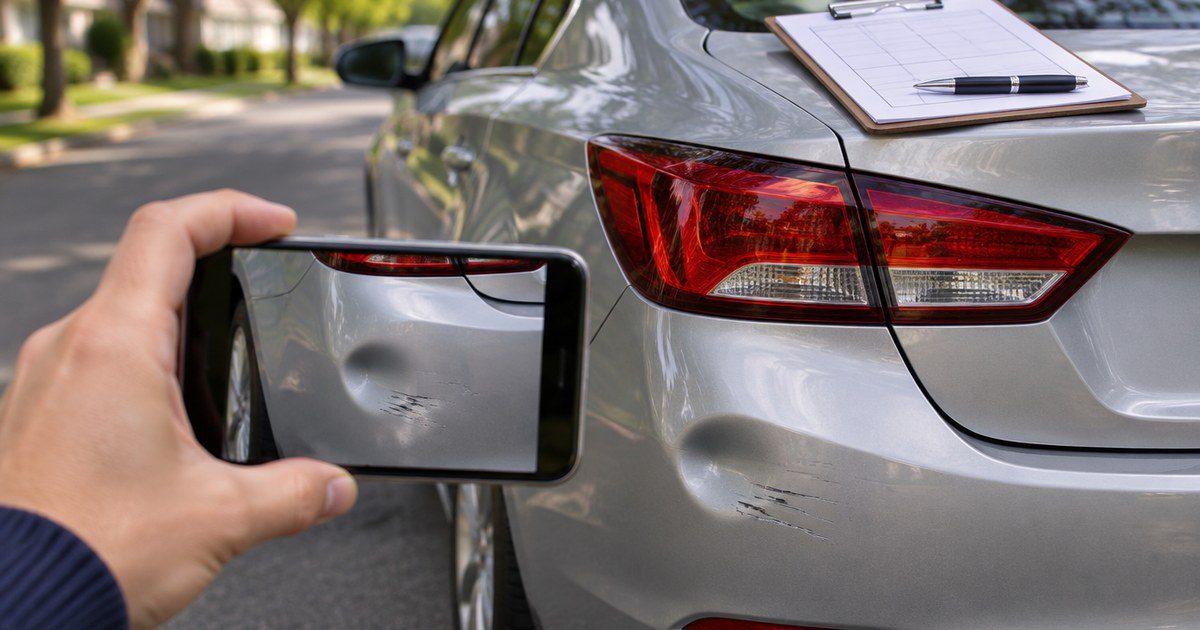
The auto insurance claims process follows the same basic path at nearly every company: you make sure everyone is safe, document the accident, report it to your insurer, work with an adjuster who inspects the damage and decides fault, and then receive a repair payment or a total-loss settlement. Most claims move faster when you report promptly, keep good records and answer requests quickly. This guide, refreshed for 2026, walks through each step, the differences between at-fault and not-at-fault claims, and what to do when a claim stalls or gets denied.
Details depend on your insurer, your policy and your state, so treat the timelines and rules below as general guidance and confirm specifics in your policy documents.
Auto Insurance Claims Process at a Glance
- Get to safety, call 911 if anyone is hurt, and move vehicles only if it is safe and allowed.
- Document the scene with photos, plate numbers, witness contacts and the other driver’s insurance details.
- Report the claim to your insurer and save the claim number.
- Speak with the adjuster, who reviews the damage, the report and fault.
- Get repair estimates and choose a shop.
- Receive payment for repairs or a total-loss settlement, and review it before accepting.
What Happens the Moment You File a Claim
Every insurer’s workflow differs slightly, but the core sequence is consistent across the industry: report the incident, document the damage, get assigned an adjuster, receive an estimate, and reach a settlement. The steps below follow that order and call out where the process commonly breaks down.
Step 1: Document the Scene Before You Leave
Before anyone moves a vehicle, take wide-angle photos showing all vehicles involved, close-ups of specific damage, license plates, street signs or mile markers, and any visible injuries. Exchange insurance information and contact details with every driver involved, and get names and numbers for witnesses. If the accident involves injury, death, or damage above your state’s reporting threshold, most states require a police report; even when it isn’t mandatory, an officer’s report gives your adjuster an independent account that can resolve disputes over fault later.
What to Document and Keep
- Photos and video of all vehicles, the road, traffic signals, skid marks and weather conditions.
- The police report number and the responding officer’s name.
- Names, phone numbers and insurance details for every driver, plus witness contacts.
- Your claim number, adjuster’s name and a dated log of each conversation.
- Medical records and bills if anyone was injured, kept apart from vehicle paperwork.
- Repair estimates, invoices, towing and storage receipts, and rental car costs.
- Maintenance records and receipts for recent upgrades, which can support your car’s value in a total loss.
Step 2: Report the Claim Quickly
Contact your insurer within a day or two, even if you’re still gathering details. Most policies require notice “as soon as reasonably possible,” and states set their own deadlines for property damage and injury claims. Reporting late gives insurers a technical basis to deny an otherwise valid claim, so don’t wait for a final repair estimate before opening the file. Filing online or through a mobile app is typically fastest, and you’ll get a claim number immediately that you should save for every follow-up call.
Step 3: Work With Your Claims Adjuster
Within a few business days, an adjuster is usually assigned to inspect the damage, review the police report and photos, and determine liability. Be factual and consistent when describing what happened. Avoid speculating about fault or apologizing in a way that could be read as an admission, since recorded statements can be used to argue you share responsibility. Ask the adjuster directly which repair shops are in the insurer’s network, whether you’re entitled to a rental car during repairs, and what the estimated timeline looks like. If the other driver’s insurer contacts you, you can refer them to your own insurer and are not obliged to give them a recorded statement.
Step 4: Get an Estimate and Choose a Repair Shop
Insurers often steer claimants toward preferred repair networks, and using one can speed up the process since the shop bills the insurer directly. You are not legally required to use a network shop in most states, though, and getting an independent estimate is worth it for anything beyond minor cosmetic damage. Hidden damage is common, so expect the shop to send a supplement to the insurer once the car is taken apart. If your estimate and the insurer’s estimate diverge significantly, that gap is usually where disputes and delays happen.
Step 5: Settlement and Payout
Once repair costs or a total-loss valuation are finalized, the insurer issues payment, either directly to the repair shop, to you, or split with a lienholder if you’re still financing the vehicle. Read any release form before signing, because accepting a final settlement can close the claim for good, which matters if injuries or hidden damage might surface later.
How Long Does an Auto Insurance Claim Take?
There is no single answer. A straightforward repair claim with clear fault and a cooperative shop often resolves in a matter of weeks. Claims with injuries, disputed liability, hidden damage, parts delays or a total loss usually take longer, sometimes a good deal longer. Seasonal catastrophes such as hailstorms or hurricanes can also stretch adjuster response times. Many states have rules requiring insurers to acknowledge and respond to claims within set periods, and your state insurance department can tell you what applies to you. Keeping documents complete and answering adjuster requests quickly is the most reliable way to keep things moving.
At-Fault vs. Not-At-Fault Claims: Why the Distinction Matters
In an at-fault claim, your own liability coverage pays for the other party’s damages, and the accident gets recorded against your driving history, which is the main factor behind future premium increases. In a not-at-fault claim, you file against the other driver’s liability insurer, or your own insurer pays first and recovers the cost from the at-fault driver’s insurer through a process called subrogation. Not-at-fault claims typically don’t raise your rates, though some insurers still note the claim on your record even without a surcharge. Fault is sometimes shared, and some states reduce or bar recovery based on your percentage of responsibility, so be careful about statements you make at the scene. States with no-fault insurance laws complicate this further: your own personal injury protection coverage pays medical costs regardless of fault, while property damage claims still generally follow traditional fault rules. If you’ve recently been in an accident and are unsure how it will affect your record, our guide to how to check your auto insurance score explains how insurers translate claims history into the number that drives your premium.
Comprehensive vs. Collision Claims
The coverage that responds depends on what happened. Collision pays for damage to your car when it hits another vehicle or object, or rolls over, whoever is at fault. Comprehensive pays for damage that is not a collision, such as theft, fire, falling objects, flooding, hail, vandalism or hitting an animal. In both cases your deductible applies, and the coverage must be on your policy at the time of the loss. If you are deciding what to carry in the first place, see full coverage vs. liability-only auto insurance. Glass-only claims are sometimes handled separately and may carry a different deductible, so check your policy.
What Happens If Your Car Is a Total Loss
A car is typically declared a total loss when repair costs approach or exceed a share of its value, with the threshold set by the insurer and, in some states, by law. The insurer then pays the actual cash value (the market value of the car just before the accident) minus your deductible. If you have a loan, the lender is paid first. Total-loss payouts are the number most likely to be contested. You can ask for the valuation report, and support a higher figure with comparable listings in your area, service records and details on trim, mileage and options. Sales tax, title and registration fees may be included depending on your state. If the payout comes in lower than what you owe on the loan, gap insurance is designed to close that difference.
How Much Will a Claim Raise Your Rates?
At-fault collision and liability claims generally have the biggest effect on premiums, and the increase can be significant at the next renewal. Comprehensive claims and not-at-fault claims often have little or no surcharge, though this varies by insurer and state. The exact result depends on your insurer, your prior claims history, how long the surcharge stays on your record, and whether you carry accident forgiveness. Drivers who already have points on their record or a DUI face compounding effects; if that describes your situation, see our breakdown of auto insurance after a DUI for how insurers price risk on top of an existing claim.
Should You File a Small Claim?
If the damage is only a little above your deductible, paying out of pocket can be the better choice, because a claim may cost you more through higher premiums over several years than you would recover. Compare the repair estimate, your deductible and the likely renewal impact, and ask your agent about it before filing, since asking a general question is not the same as opening a claim. Always report accidents involving injuries, another driver or possible liability, even if you decide not to claim your own repairs, because your policy may require notice and the other party can file later.
When a Claim Gets Denied or the Offer Is Too Low
Common denial reasons include missed reporting deadlines, coverage exclusions (like using a personal vehicle for rideshare without the right endorsement), disputed liability, lapsed coverage or insufficient documentation. If your claim is denied, request the denial in writing with the specific policy language cited, then gather any missing evidence: additional photos, repair shop assessments, or witness statements. Most insurers have a formal internal appeals process.
Appraisal, Complaints and Legal Help
- Appraisal clause: many policies let you and the insurer each name an appraiser to settle a disagreement about the amount of a loss. It does not usually decide whether the loss is covered, and it can involve costs, so read the clause first.
- State insurance department: every state’s department of insurance accepts consumer complaints against licensed carriers, and filing one is typically free.
- Attorney: consider talking with one if there are injuries, a large total loss, a denial you believe is wrong, or signs the insurer is acting in bad faith. Many offer free initial consultations, and initial offers are frequently negotiable.
- Small claims court: an option for modest property-damage disputes, with dollar limits that vary by state.
Claims and Coverage Type: What Each Policy Piece Actually Covers
| Coverage Type | What It Pays For | Typical Claim Trigger |
|---|---|---|
| Liability | Other party’s injuries/property damage when you’re at fault | You cause an accident |
| Collision | Damage to your own vehicle from a crash | Any collision, regardless of fault |
| Comprehensive | Non-collision damage (theft, weather, animals, vandalism) | Car stolen or damaged outside a crash |
| Uninsured/Underinsured Motorist | Your damages when the at-fault driver lacks adequate coverage | Hit by an uninsured driver |
| Personal Injury Protection/MedPay | Medical costs regardless of fault | Injury in a crash, especially no-fault states |
| Gap Insurance | Difference between loan balance and vehicle’s actual cash value | Total loss on a financed vehicle |
If you’re carrying a loan or lease and aren’t sure whether a total-loss payout would cover what you still owe, our first-time auto loan guide covers how financing terms interact with insurance requirements from the start.
Practical Tips for a Smoother Claims Process
- Keep a copy of your policy declarations page in your glovebox or phone so you have your policy number on hand immediately after an accident.
- Photograph everything before vehicles are moved, even in a busy intersection, since insurers weigh contemporaneous evidence heavily.
- Respond promptly to adjuster requests. Claims often stall not because of a coverage dispute but because a document sat unanswered for two weeks.
- Get repair estimates in writing and keep every receipt related to the incident, including towing and rental costs.
- Review your deductible and rental coverage before you need them, not after.
- If you’re bundling multiple policies with the same carrier, review how a claim on one policy might affect pricing across your whole account; our guide to bundling auto and home insurance walks through how multi-policy discounts and claims history interact.
Our Methodology
This guide draws on claims-process documentation published by major carriers, consumer guidance from state insurance departments and consumer organizations, and general industry practice. RealComparisons does not sell insurance policies or receive compensation from insurers; our goal is to give readers an accurate, carrier-agnostic view of how the claims process works so they know what to expect regardless of which company they’re insured with. This is general information, not legal or insurance advice. Last refreshed November 2026.
Common Questions About the Auto Insurance Claims Process
How do I file a car insurance claim?
Report the accident to your insurer by phone, app or website as soon as you reasonably can, with the date, location, other parties and a short factual description. You will get a claim number and an adjuster, who may ask for photos, a police report number and repair estimates. Keep notes of every call and save that claim number.
How long does a car insurance claim take?
It varies widely. A simple, clearly not-at-fault repair claim can wrap up in a couple of weeks, while claims involving injuries, disputed fault, hidden damage or a total loss can take a month or more. Quick replies to adjuster requests and complete documentation are the things you control that most often shorten the timeline.
How long do I have to file a car insurance claim?
Your policy usually requires notice as soon as reasonably possible, and states set their own outer limits for property damage and injury claims. Those limits differ a lot, so report right away and check your policy and your state’s rules instead of relying on a single number.
Will filing a claim raise my auto insurance rates?
It can, mainly after an at-fault accident. Not-at-fault claims and some comprehensive claims often have a smaller effect or none, but practices vary by insurer and state. Ask your agent how a claim might affect your renewal before you file a small one.
What is the difference between an at-fault and not-at-fault claim?
In an at-fault claim you are found mostly or fully responsible, so your liability coverage pays the other side and the accident usually counts against you at renewal. In a not-at-fault claim the other driver’s insurer should pay, or your insurer pays first and recovers the money from them through subrogation.
Should I use comprehensive or collision coverage for my claim?
Collision applies when your car hits another vehicle or object, or rolls over. Comprehensive applies to damage that is not a collision, such as theft, fire, hail, flooding, vandalism or hitting an animal. Either one only pays if you carry it, and your deductible applies.
What happens if my car is declared a total loss?
The insurer typically pays the actual cash value of the car right before the loss, minus your deductible, with any loan balance paid to the lender first. If you owe more than the car was worth, gap coverage may cover the difference. You can usually challenge the valuation with comparable listings and maintenance records.
What can I do if my claim is denied or the offer is too low?
Ask for the reason in writing with the policy language cited, then send additional evidence and request a review. If that fails, you can ask about the appraisal clause, file a complaint with your state insurance department, or talk with an attorney, especially when injuries or large amounts are involved.
Do I need a police report to file a claim?
Not always. Many states require a report for injuries or damage above a set amount, and your insurer may ask for one even when the law does not. A report gives the adjuster an independent record, which helps most when fault is disputed.
Should I go to small claims court over a car accident?
Small claims can be a practical route for modest property-damage disputes, such as an at-fault driver with no insurance or a gap left after a settlement. Each state sets its own dollar limit and filing rules, and cases with injuries usually call for legal advice first.