
How to Build an Emergency Fund (Step-by-Step)

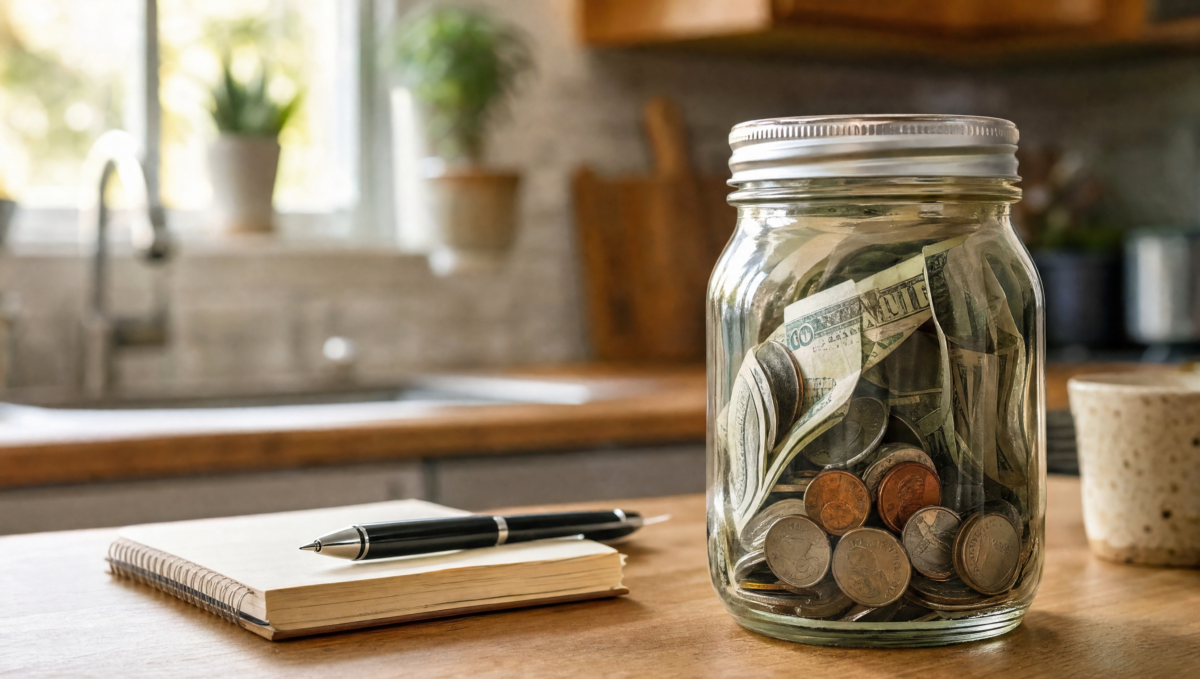
Most people don’t build an emergency fund because they’re planning for disaster. They build one because life keeps sending small, unplanned bills: a transmission repair, a dental crown, a week without a paycheck between jobs. An emergency fund is what keeps a $600 surprise from turning into $600 of credit card interest.
Roughly a quarter of U.S. adults have no emergency savings at all, and fewer than half could cover three months of expenses if their income stopped tomorrow, according to Bankrate’s most recent Emergency Savings Report. The good news is that building a real cushion doesn’t require a windfall. It requires a target, a place to put the money, and a system that moves cash there automatically before you can spend it.
What Counts as an Emergency Fund (and What Doesn’t)
An emergency fund is cash set aside specifically for unplanned, necessary expenses: job loss, a medical bill insurance didn’t fully cover, an urgent car or home repair, or a family emergency that requires sudden travel. It is not a vacation fund, a “treat yourself” account, or where you park money you’re saving for a known, upcoming purchase like a car down payment. Those are savings goals with a plan attached. An emergency fund exists for the things you can’t plan for.
Keeping the two separate matters because it changes how you spend the money. If your emergency fund and your vacation fund live in the same account, it’s easy to rationalize dipping into “savings” for a trip, and then have nothing left when the water heater actually fails.
How Much Should You Actually Save?
The standard advice is three to six months of essential living expenses, meaning rent or mortgage, utilities, groceries, insurance premiums, minimum debt payments, and transportation. It does not mean three to six months of your current full spending, which usually includes discretionary costs you’d cut immediately in a real emergency.
That range isn’t one-size-fits-all. Your real number depends on how stable your income is and how many people depend on it:
| Save closer to 6+ months if you have… | 3 months (or less) may be enough if you have… |
|---|---|
| Freelance, commission, or gig income that varies month to month | A stable salary with low layoff risk |
| A single income supporting a household | Two incomes in the household, so one job loss doesn’t zero out cash flow |
| Dependents (kids, aging parents) relying on you financially | No dependents and low fixed monthly obligations |
| A high-deductible health plan or high insurance deductibles generally | Access to other safety nets, like family support or a severance policy at work |
| Specialized work that takes longer to replace if you’re laid off | In-demand skills in a field with fast rehiring |
To get a dollar figure, add up your essential monthly costs and multiply by your target number of months. A household spending $4,000 a month on essentials should aim for a fund between $12,000 and $24,000. If that number feels discouraging, don’t fixate on it yet — the next section covers how to build toward it without stalling out.
Where to Keep Your Emergency Fund
The fund needs to be liquid (accessible within a day or two, no penalties) and separate from your everyday checking account, so it doesn’t blend into discretionary spending. A high-yield savings account at an FDIC-insured bank or NCUA-insured credit union is the standard recommendation, since it currently pays meaningfully more interest than a typical brick-and-mortar savings account while remaining fully accessible.
Avoid putting emergency savings into anything with a withdrawal penalty or market exposure — that includes CDs with early-withdrawal fees and any investment account. The point of this money is that it’s there, intact, the moment you need it. If you’re weighing a high-yield account against investing that same cash, our guide to the best investment accounts for beginners walks through why investable money and emergency money should be kept in separate buckets entirely.
A Step-by-Step Plan to Build It
1. Set a starter goal before the full target
If you’re starting from zero, don’t aim for six months of expenses on day one — that goal is too far away to feel real. Start with a $500 to $1,000 buffer first. That alone covers most of the small emergencies (a flat tire, a vet visit, a broken appliance) that otherwise end up on a credit card.
2. Open a dedicated account
Separate the fund physically from checking. A savings account at a different bank than your everyday checking adds just enough friction to stop impulsive transfers back out, while still being reachable in one to two business days.
3. Automate a fixed transfer every payday
Set up an automatic transfer, or a split direct deposit that routes a slice of every paycheck straight into the emergency fund before it hits checking. Automating the habit matters more than the amount at the start; $25 a week becomes $1,300 a year without a single decision required.
4. Route windfalls there first
Tax refunds, bonuses, cash gifts, and rebate checks are the fastest way to jump from a starter fund to a fully funded one. Decide in advance that unexpected money goes to savings before it reaches your checking account, where it tends to quietly disappear into regular spending.
5. Increase the transfer as your budget allows
Every time you get a raise, pay off a debt, or drop a recurring subscription, redirect at least part of that freed-up cash to the emergency fund instead of letting your spending expand to fill it.
6. Stop (or slow down) once you hit your target
Overfunding an emergency account has a real cost: cash sitting idle in savings earns far less than it could elsewhere. Once you’ve hit your three-to-six-month target, it’s usually smarter to redirect additional savings toward high-interest debt or retirement accounts. If you’re carrying balances, comparing personal loan options or balance transfer credit cards against your emergency fund contributions can help you figure out which to prioritize first.
Where Emergency Fund Money Should Never Go
It’s worth being explicit about what doesn’t qualify as an emergency, because this is where funds get drained without actually protecting you:
- Planned purchases. A sale on something you wanted isn’t an emergency, no matter how good the discount.
- Travel and entertainment. These should have their own separate savings bucket.
- Routine debt payments. Regular credit card or loan payments are a budgeting issue, not an emergency — using savings to cover them regularly is a sign the budget itself needs attention, not that the emergency fund is working as intended.
- Non-essential upgrades. Redecorating or upgrading a working appliance can wait for a planned savings goal.
Building an Emergency Fund While Paying Off Debt
A common question is whether to build savings or pay down debt first when you can’t fully do both. Most financial planners recommend a middle path: build a small starter fund (that $500–$1,000 buffer) first, then split extra cash between high-interest debt payoff and continuing to grow the fund. Carrying zero savings while aggressively paying down debt tends to backfire, because the next unexpected expense just goes back onto the card you were trying to pay off. If you’re deciding between paying down a card balance and building this cushion, our comparison of personal loans vs. credit cards for debt payoff breaks down how to sequence debt payoff without leaving yourself exposed.
Common Questions About Emergency Funds
How fast should I build my emergency fund?
There’s no fixed timeline, but most people can reach a $1,000 starter fund within two to three months by automating a fixed weekly transfer. Reaching a full three-to-six-month cushion typically takes a year or more and should scale with raises, windfalls, and reduced expenses along the way.
Is $1,000 enough for an emergency fund?
It’s enough to cover most small, common emergencies like a car repair or a vet bill, which is why it’s a reasonable starting target. It is not enough to replace months of lost income, so it should be treated as step one rather than the final goal.
Should I invest my emergency fund instead of keeping it in savings?
No. Emergency money needs to be available immediately and without risk of loss, which rules out the stock market or anything with an early withdrawal penalty. A high-yield savings account is the standard choice because it keeps the money liquid while still earning interest.
What if I have debt and can’t afford to save at the same time?
Build a small starter cushion of a few hundred dollars first, then direct remaining extra cash toward your highest-interest debt while continuing smaller, automated contributions to savings. Stopping savings entirely while paying off debt often leads to relying on credit again the next time something breaks.
Can I use a credit card instead of an emergency fund?
A credit card can bridge a true emergency in a pinch, but it isn’t a substitute for cash savings since it adds interest costs on top of the original expense. It’s best treated as a backup for money you’re actively rebuilding, not a long-term emergency fund strategy.
This article is for general informational purposes and does not constitute financial advice. Savings rates, account terms, and lender offers change frequently — confirm current rates and terms directly with any bank or financial institution before opening an account.