
How to Clean Stainless Steel Appliances (No Streaks)

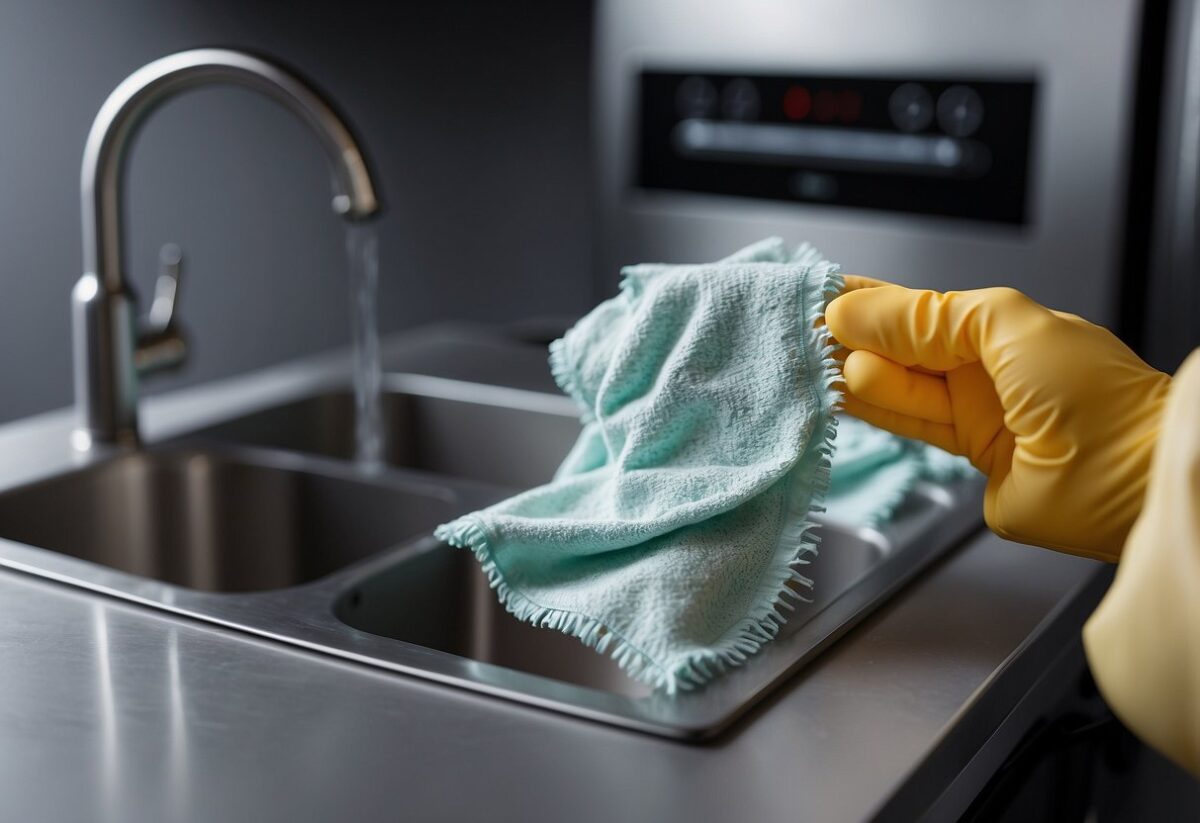
The most reliable way to clean stainless steel appliances without streaks is warm water with a drop of mild dish soap, a microfiber cloth, and wiping with the grain, then rinsing and drying right away. Most streaks come from leftover soap, hard water that dried on the surface, or a cloth that was not clean. For greasy spots, a diluted white vinegar spray usually does the job on standard stainless. Below are the methods that work on refrigerators, dishwashers, ranges, microwaves and range hoods in 2026, plus what to avoid on coated and black stainless finishes.
Stainless steel resists rust better than plain steel, but the brushed finish shows fingerprints, grease and water spots. Cleaning it gently and drying it fully matters more than the product you choose.
Key Takeaways
- Dish soap and warm water handle daily fingerprints and are the safest first step on any finish.
- Diluted white vinegar helps with grease and water spots on standard stainless, but read the manual before using it on black or coated finishes.
- Wipe, rinse and dry in the direction of the grain. Drying is what prevents streaks.
- Skip steel wool, abrasive pads, bleach and chlorine cleaners. They scratch or stain the finish.
- Never mix cleaning products, and let hot surfaces cool before you clean them.
Know Your Finish First
Not every stainless-looking appliance is the same. Check the manual or the manufacturer’s website before you reach for anything beyond soap and water.
- Standard brushed stainless: the most forgiving. It tolerates soap, diluted vinegar and baking soda used gently.
- Fingerprint-resistant or smudge-proof stainless: has a clear coating. Use soap, water and a soft cloth, and avoid abrasives and strong acids that can dull the coating.
- Black stainless and colored finishes: usually coated, and they scratch or haze more easily. Follow the maker’s care instructions exactly.
- Textured or patterned panels: dirt hides in the pattern, so a soft brush used gently may be needed along with the cloth.
If you are unsure, test any cleaner on a hidden area, such as the lower edge of a door, before treating the whole appliance.
What You’ll Need
- Microfiber cloths. Have at least three: one to wash, one to rinse, and one dry cloth for buffing.
- Mild dish soap with a grease-cutting formula.
- White vinegar and a spray bottle for diluted solutions.
- Baking soda for stuck-on spots.
- A non-abrasive sponge or pad and, for textured panels, a soft toothbrush.
- Mineral or olive oil, optional, for a final polish.
- Gloves if you have sensitive skin or you will be working with vinegar or baking soda paste for a while.
How to Clean Stainless Steel Appliances Step by Step
1. Prepare the Surface
Make sure the appliance is cool, and turn off any burners or oven. Remove magnets, papers and loose crumbs, and look at the grain. It usually runs vertically or horizontally, and it is easier to see in side light.
2. Wash With Soap and Water
Mix a few drops of dish soap into warm water, dampen a microfiber cloth, wring it well and wipe with the grain. Soak the cloth, not the appliance, so water does not run into seams, vents or controls.
3. Rinse
Go over the surface again with a clean cloth dampened with plain water. This removes the soap film that causes many streaks.
4. Dry and Buff
Dry immediately with a clean, dry microfiber cloth, still moving with the grain. Dry in the same direction until no moisture remains.
The video below walks through the same process if you would like to see the motion.
Natural and Deeper Cleaning Methods
White Vinegar Spray
Mix one part white vinegar with two parts water in a spray bottle. Spray it on the cloth rather than on the appliance, wipe with the grain, rinse with a damp cloth and dry. It helps with greasy fingerprints and mineral spots on standard stainless. Do not leave it sitting on the surface or let it run onto rubber gaskets, and skip it on black or coated finishes unless the manual says it is fine.
Baking Soda Paste
For stuck-on spots, mix baking soda with a little water into a thick paste. Apply it with a soft cloth, let it sit for 10 to 15 minutes, then rub gently with the grain using a non-abrasive pad. Rinse well and dry. It is mildly abrasive, so it is not meant for coated or black finishes, and you should not scrub hard.
Handheld Steamer
On range hoods, oven doors and dishwasher panels with built-up cooking grease, a handheld steamer can loosen grime before you wipe it away. Work in short passes, keep steam away from vents, displays and seals, and wipe dry straight afterward. Check the appliance manual first. Steam is hot enough to burn, so keep it away from skin and children.
Stainless Steel Cleaner Spray
Products made for stainless are a reasonable choice if you want a quicker finish. Choose one that matches your finish, apply a small amount to the cloth, wipe with the grain and buff dry. Using too much leaves a film that attracts fingerprints.
Mineral or Olive Oil Polish
After cleaning, put two or three drops on a dry cloth and buff with the grain until the surface feels dry. It evens out the look and can hide light marks. Keep it off surfaces near burners and oven fronts, and do not use it as a replacement for cleaning.
Cleaning by Appliance
- Refrigerator: the doors and handles get the most fingerprints. Clean the handles with soap and water, and dry the door edge so water does not collect near the seal.
- Dishwasher: wipe the front panel and control area with a barely damp cloth, not a soaked one. Do not spray liquids straight onto the touchpad.
- Range and cooktop: let it cool fully. Wipe splatter early, because baked-on grease takes more effort. Use a baking soda paste for stuck marks, and keep strong oven cleaners off stainless trim.
- Range hood: grease gathers on the underside and edges. Clean them with soap and hot water, and follow the manual for removing and washing the filters.
- Microwave: clean the exterior with soap and water. The interior often has different surfaces, so follow its own care instructions.
Removing Stubborn Marks, Rust Spots and Heat Discoloration
- Hard water spots: wipe with diluted vinegar on a cloth, rinse and dry promptly, before minerals build up.
- Heat tint near burners: try a baking soda paste with the grain. Tint from repeated high heat may not come out completely, so stop if you are not seeing progress.
- Surface rust spots: stainless can show small orange spots, often from a steel item left on it, such as a cast-iron pan or a steel wool fragment. Dampen the spot with vinegar, sprinkle baking soda on it, wait about 15 minutes, wipe it clean, and repeat rather than scrubbing harder. Persistent rust is worth showing to the manufacturer.
- Light scratches: on standard brushed stainless, a polishing product made for stainless used with the grain may reduce the look of fine scratches. Deep ones usually stay.
What to Avoid
- Steel wool and abrasive pads: they leave scratches that hold dirt and can leave steel particles that rust.
- Bleach and chlorine-based cleaners: they can pit or stain stainless steel.
- Mixing products: never combine bleach with vinegar or ammonia, because the mix releases harmful fumes. Use one product at a time and rinse between them.
- Oven cleaner on exterior panels: these are harsh and made for enamel interiors.
- Cleaning against the grain: it leaves residue in the grooves.
- Letting water air-dry: this is the main cause of spots and streaks.
- Dirty cloths: a gritty or greasy cloth just spreads dirt around and can scratch.
Safety Notes
- Switch off and cool cooktops, ovens and hoods before you clean. For wired appliances, avoid spraying near controls or outlets.
- Ventilate the kitchen when using vinegar or any commercial cleaner.
- Wear gloves for long sessions and keep cleaners away from children and pets.
- Wring cloths well so moisture does not get into seams, vents or electronics.
Comparing Cleaning Methods
| Method | Best For | Frequency | Watch Out For |
|---|---|---|---|
| Dish soap + water | Daily fingerprints, light grease | Every day or two | Rinse and dry fully |
| Diluted white vinegar | Grease, water spots | Weekly or as needed | Not for some coated or black finishes; keep off gaskets |
| Baking soda paste | Stuck-on spots, light rust, heat tint | As needed | Mildly abrasive; rub gently with the grain |
| Handheld steamer | Baked-on grease on hoods and ranges | Monthly | Keep steam off vents and controls; wipe dry |
| Stainless cleaner spray | Quick finish after washing | Weekly | Too much leaves a film |
| Mineral or olive oil | Final polish | After deep cleans | Keep off heat zones; use a few drops only |
How Often Should You Clean Stainless Steel Appliances?
Touch areas like refrigerator and dishwasher doors benefit from a damp-cloth wipe every day or two. A soap-and-water clean once a week removes the grease film that quick wipes leave behind. Ranges and hoods used for frying need more attention, ideally right after the pan splatters, because fresh grease wipes off easily and baked-on grease does not.
Protecting Your Appliances Over Time
Dry after every wet clean, deal with spills quickly, and keep steel pans and utensils from sitting on the surface. Appliances are a big household purchase, so it is worth planning for repairs and replacements too. Our guide on how to build an emergency fund covers setting money aside for the unexpected. If you rent, what renters insurance covers explains what is and is not protected. Appliances you do not own are the landlord’s, so check your lease and ask before trying anything stronger than soap and water. For more kitchen help, see our roundup of the best cutting boards.
Our Approach
This guide is based on general cleaning guidance from appliance manufacturers and care instructions for brushed stainless finishes. Products and finishes vary by brand, so your manual always comes first. Last refreshed November 2026.
Common Questions About Cleaning Stainless Steel Appliances
Is it safe to clean stainless steel appliances with vinegar?
Usually, yes. Diluted white vinegar, about one part vinegar to two parts water, cuts grease and fingerprints on standard brushed stainless. Spray it on a cloth, wipe with the grain, rinse with a damp cloth and dry right away. Check the manual first if your appliance is black stainless or has a fingerprint-resistant coating, because some makers advise against acids on those finishes. Keep vinegar off rubber door gaskets and any stone or wood trim.
What should I never use on stainless steel appliances?
Steel wool, scouring pads and powdered cleansers scratch the finish. Bleach and chlorine-based cleaners can pit or stain stainless steel, and they should never be mixed with vinegar or ammonia. Oven cleaner and other harsh spray-on degreasers are meant for enamel interiors, not exterior panels. When in doubt, test on a hidden spot and read the care page in your manual.
Why do you have to wipe in the direction of the grain?
Brushed stainless has fine parallel lines from manufacturing. A cloth moving along those lines lifts residue out of them, while one moving across tends to leave residue and fine marks in the grooves, which show up as streaks in side light. Wash, rinse and dry in the same direction.
How do I get streaks off stainless steel for good?
Streaks are almost always leftover soap, cleaner, or water that dried on the surface. Rinse with a cloth dampened with plain water, then buff dry with a clean microfiber cloth along the grain. If streaks keep coming back, you are probably using too much product or a cloth that is already dirty.
Can I use olive oil or mineral oil to polish stainless steel?
A very thin layer on a cloth, buffed with the grain, can make a clean surface look more even. Use only a few drops, buff until the surface feels dry, and do not use oil on or beside a cooktop or oven front where heat could bring it to its smoke point. Oil is a finishing step. It will not clean anything, and too much of it attracts new fingerprints.
How do I clean black stainless steel?
Start with a soft cloth, warm water and a drop of mild dish soap, then rinse and dry with a microfiber cloth. Black stainless often has a coating that can wear or cloud if you use abrasives, strong acids or heavy polish, so follow the manufacturer’s care instructions. Skip the baking soda paste unless the manual allows it.
How do I remove heat discoloration or rainbow tint near the burners?
Mild tint can sometimes be lightened with a baking soda paste applied with the grain using a soft, non-abrasive pad, or with a cleaner the manufacturer approves. Discoloration from repeated high heat can be permanent, so do not keep scrubbing harder. If it is on a range you own, ask the manufacturer what they recommend.
Can I use a steam cleaner on a stainless steel refrigerator or range hood?
A handheld steamer can loosen baked-on grease on hoods, oven doors and range fronts, but check the appliance manual first. Keep steam away from vents, control panels, electronic displays and door seals. Let the surface cool before you start and wipe it dry right away.
How often should I clean stainless steel appliances?
A damp-cloth wipe every day or two keeps fingerprints from setting on touch areas like refrigerator and dishwasher doors. A soap-and-water clean once a week handles the grease film that wiping misses. Range fronts and hoods may need cleaning after any heavy frying or splatter.
Is it okay to use stainless steel cleaner spray?
Yes, if it is labeled for stainless steel and suits your finish. Spray a little on the cloth rather than the appliance, wipe with the grain and buff dry. Most contain oils or polishers, so use sparingly to avoid a greasy look. Check the label for warnings about coated or black finishes.